
How to Prevent Sports Injuries in Kids
With the end of summer drawing near, fall sports are starting to ramp up. For many student-athletes, this could mean transitioning back to full activity after having a nice long summer break. It is essential for kids of all ages to be able to monitor their bodies as they get back into sports and competition.
Depending on their level of activity over the summer, the last thing you want your kids to do is to jump back into training at 100 percent. A gradual buildup of activity is important to prevent undue stress and to avoid exposing the body to unnecessary injury. Common fall sports injuries include shin splints, hip flex or groin pulls, and hamstring strains.
Five important areas for young athletes to focus on as they return to sports are dynamic warmups and cool downs, hydration, environmental conditions, proper equipment, and rest and recovery.
- Dynamic Warm-Ups and Cool-Downs
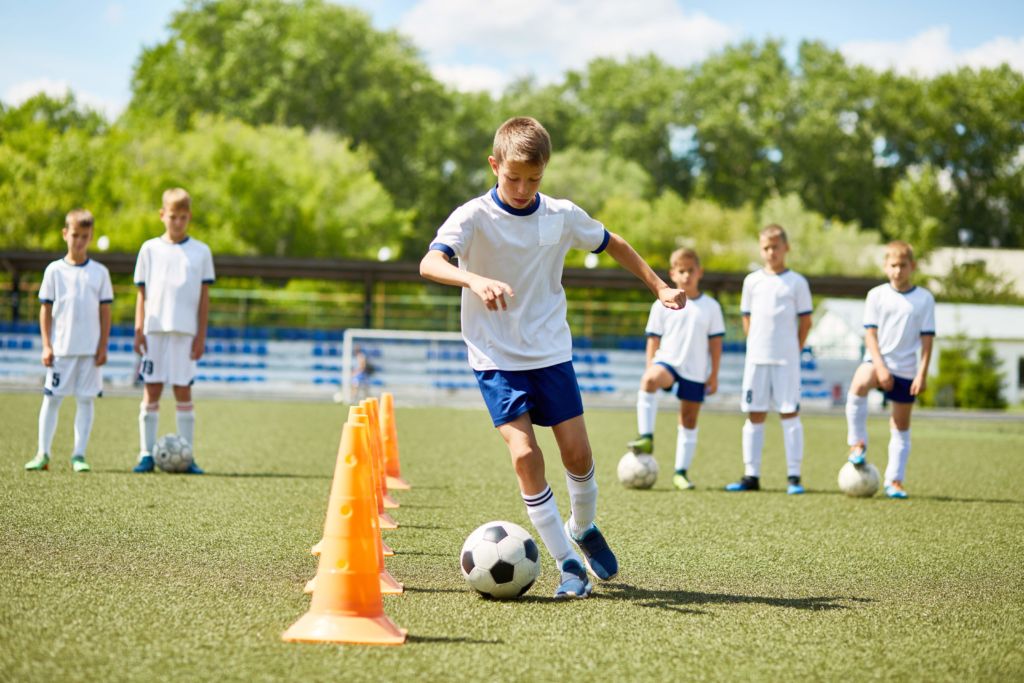
A proper warm-up is essential and has been proven to reduce the injury risk to the body. The body must be prepared to move. You wouldn’t start your car in the dead of winter and just take off without letting it warm up, and your body is the same way. Have a goal of actively warming up for 10-15 minutes. Warm muscles and joints will perform better and be less exposed to injury. Cooling down is just as important as a good warm-up, you never want to just stop your exercise. Properly cooling down, such as walking and light stretching will help with recovery and reduce the risk of overall aches and pains.
- Hydration
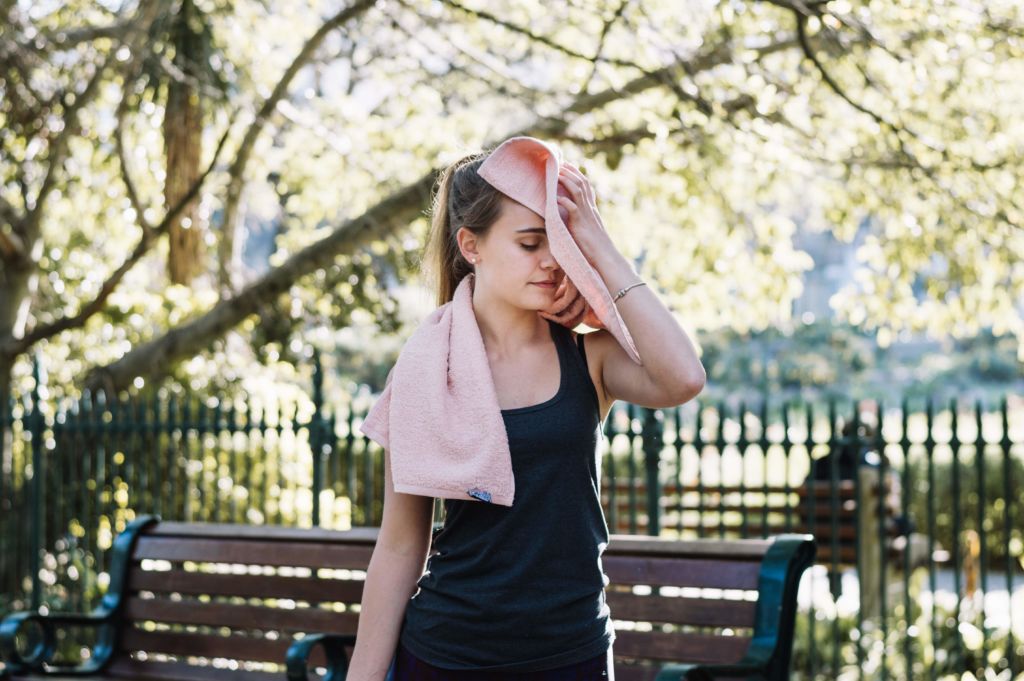
Hydration is important, especially during the late summer months when the temperature and humidity levels can still be high. But even during those cooler days of the fall, the body can still lose a lot of fluid. Not staying hydrated can lead to tissue damage and underperformance. The American council on exercise recommends drinking 7 to 10 ounces of fluid for every 10 to 20 minutes of exercise, more on warmer days, and you should always keep a water bottle with you when exercising. One easy way to monitor your hydration is by the color of your urine. If your urine is clear, then you are hydrated. If not, you need to hit the bottle more!
- Environmental Conditions
Always be aware of your surrounding conditions. Heat, humidity and smoke index have a drastic effect on your body’s performance. Website or apps such as Purple Air can help you monitor the air quality in your area, and if the heat index is over 90 it should be monitored every 30 minutes for changes. Generally, when the heat index is over 90 you should use extreme caution when heading outdoors.
- Proper Equipment
Always check your equipment when returning to sport or training. Worn-out shoes and equipment can lead to failure and cause injury or undue tissue stress. An ounce of prevention is worth a pound of cure.
- Rest and Recovery
Rest and recovery help keep you going. Listen to your body. When you need a break, take it. Getting good sleep and rest from the previous training session reduces the chance of an overuse injury. And a good night’s sleep prepares the body to perform, making you more efficient.
As always, consult with your doctor prior to returning to sport. Having a preseason sports physical is always a good idea and most often is required. If you have questions or concerns, reach out to your medical team, which may include your pediatrician, athletic trainer, and your physical therapists. Identifying an injury early can save you from prolonged, nagging injuries, and in some cases save your season. Don’t question your body or think that something with just go away. Be proactive in your performance and seek advice from a specialist. This will keep you on the field! Be safe, be proactive, and enjoy your fall sports.
Additional Resources
Experts in Sports Injury Recovery
We are committed to providing effective, efficient, and compassionate care to help you return to pain-free sport. Our passion is to help every patient reach their goals on their journey to recovery and optimal performance.