


The importance of joint health
Whether you enjoy playing tennis or golf, mountain biking or running, healthy joints are an essential part of physical fitness. Maintaining the health of your joints is extremely important not just for active adventures, but for everyday activities as well from grocery shopping to walking the dog. It can prevent joint diseases such as osteoarthritis (OA) and allows you to keep living pain-free in your day-to-day life and doing whatever you love to do while reducing the risk of future injury.
Understanding osteoarthritis
Osteoarthritis is the most common joint disease, affecting about 40 million Americans. The disease involves degeneration of cartilage and bone that worsens over time. The degeneration causes stiffness and pain that can eventually impact mobility. It most commonly affects the hands, spine, hips and knees.
Risk factors for developing osteoarthritis
Osteoarthritis is a complex disease with both non-modifiable and modifiable causes or risk factors.
Age is the most well-known risk factor that is out of our control. Although it is beginning to occur in younger adults at increasing rates, it is most often seen in adults aged 65 and older.
Ethnicity, genetics and prior injuries are factors in whether someone will develop osteoarthritis. Additionally, sex is also at play, with women at a higher risk of developing the disease than men.
Risk factors that are within our control and modifiable include obesity, smoking, certain occupations or sports that involve repetitive joint impact combined with twisting, kneeling, squatting or heavy lifting, and misaligned joints due to muscle weakness or imbalance.
Proactive measures to protect your joints
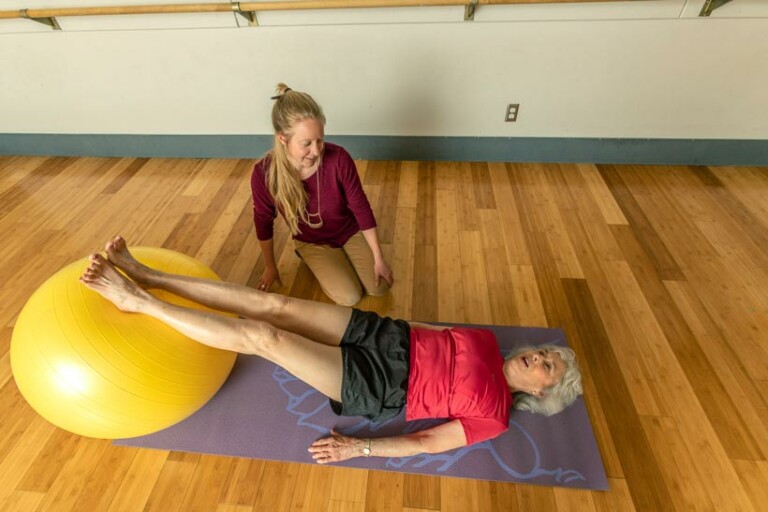
Degenerative joint diseases such as OA are not curable. However, their onset and progress can often be delayed with proper treatment and changes in activity. While numerous dietary supplements are promoted for treatment of OA, it’s important to check with your medical doctor before trying them and to only use them as part of a comprehensive medical plan. The American Association of Orthopedic Surgeons (AAOS) focuses its recommendations for joint health on:
- Reducing excess body weight
- Doing low-impact aerobic exercises
- Doing flexibility and range of motion exercises
- Strengthening quadriceps
- Taping to decrease pain and pressure
Physical therapy for joint health
There is a wide spectrum of management techniques for osteoarthritis and physical therapists have the education and experience necessary to help patients reduce pain and enhance joint function utilizing holistic, non-pharmacological interventions.
While activities such as yoga, swimming and walking are especially joint-friendly, if you enjoy mostly high-intensity exercise, that doesn’t mean you’re on the path to joint pain and degeneration.
While high-impact and intense forces are not ideal in protecting your joint health, often corrections in faulty mechanics and muscle imbalances can ease stresses and re-distribute forces throughout the body.
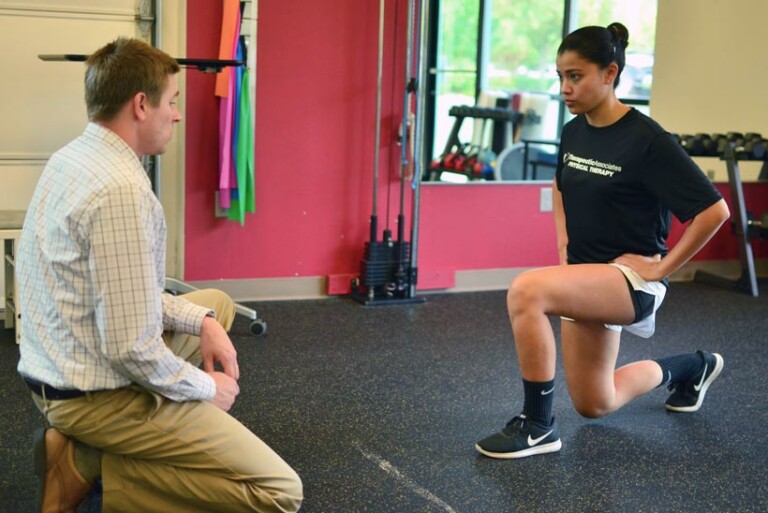
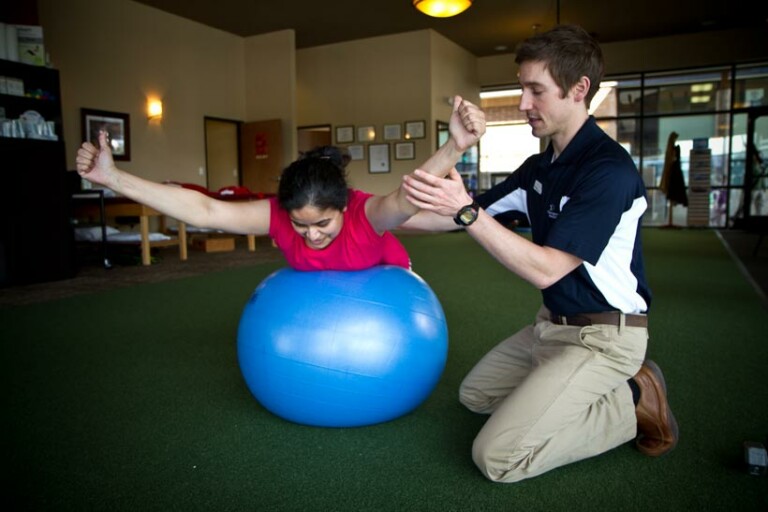
As movement specialists, physical therapists can identify and work with you to correct these problems to add longevity to your joints. Physical therapists can design customized exercise programs to stave off joint degeneration or to help you manage symptoms once it has become a part of your reality.
Working with a qualified PT can get you back on the links, courts, mountains, or wherever it is you want to be.
Keep moving! Practice good ergonomics! And make sure you’re going to your healthcare providers for regular checkups. Above all, listen to your body, and if you need assistance, we are here to help!

Start protecting your joints today.
As physical therapists, we know the importance of movement for overall health and well-being. From injury recovery to achieving optimal performance, our passion is to help every patient reach their goals and live an active, pain-free life. Get started with PT today!
