


Thank you for your question! Without doing an examination, we are not able to comment on your specific condition, however, we can offer you some general advice that is often helpful in similar situations to yours.
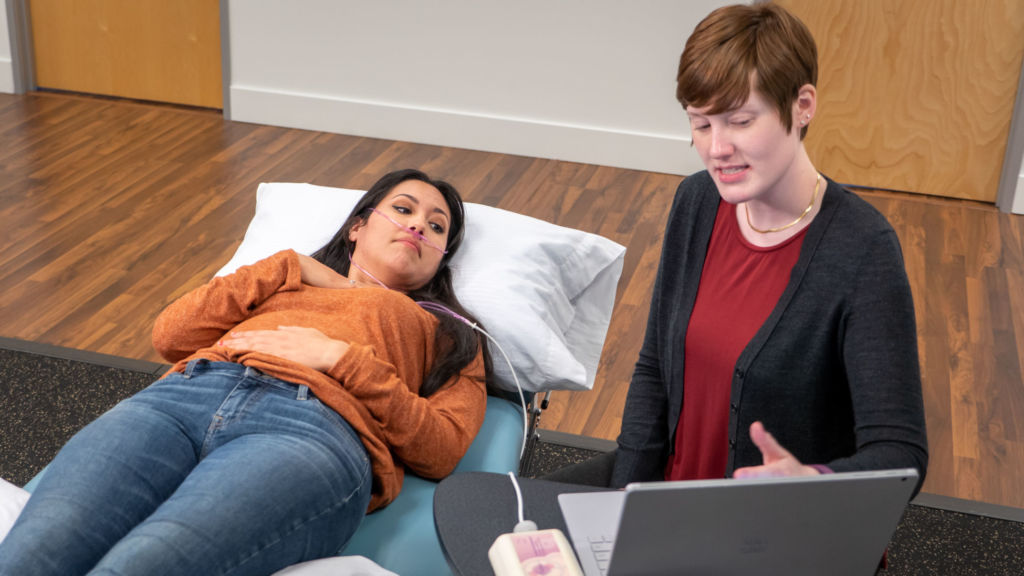
Physical therapy for chest and/or rib pain often includes improving upper body mobility along the thoracic spine, rib cage, shoulder blades, and shoulders. Treatment for this typically involves strengthening, stretching, activity modification, and, when necessary, manual therapy. Breathing exercises can also be beneficial to help with rib expansion and improving breathing pattern mechanics. Therapeutic Associates has therapists trained in Breathworks, who can provide you with an in-depth analysis of your breathing, rib mobility, and areas to improve that may better assist you during your rehabilitation journey to reduce chronic pain associated with your rib cartilage injury flare ups.
Strengthening exercises can be beneficial for rib cartilage injuries, however, it is important that exercises and movements are done correctly to reduce the risk of exacerbating symptoms. A medicine ball can be a helpful tool for building strength and improving cartilage integrity. However, that is only one component, and you will likely benefit more from a comprehensive plan that addresses mobility, movement patterns, and breathing as well. It would be beneficial to seek a physical therapy evaluation to assess your rib pain, as they can provide you with a comprehensive treatment plan regarding your symptoms and chronic injury.
If your injury presents with constant and persistent pain, difficulty with breathing, or occurs primarily at rest or at night, it is important to consult a medical professional for further examination.
To locate a Therapeutic Associates practitioner, close to you, visit our website at: www.therapeuticassociates.com/locations/
If you live outside of the Pacific Northwest, visit the link below to find a Physical Therapy clinic near you https://aptaapps.apta.org//APTAPTDirectory/FindAPTDirectory.aspx

Eliminate your pain.
Rib cartilage injuries and chronic chest and rib pain can benefit from physical therapy. Schedule with a physical therapist who can help!
